01 What does a Baltic holiday in Poland actually cost?
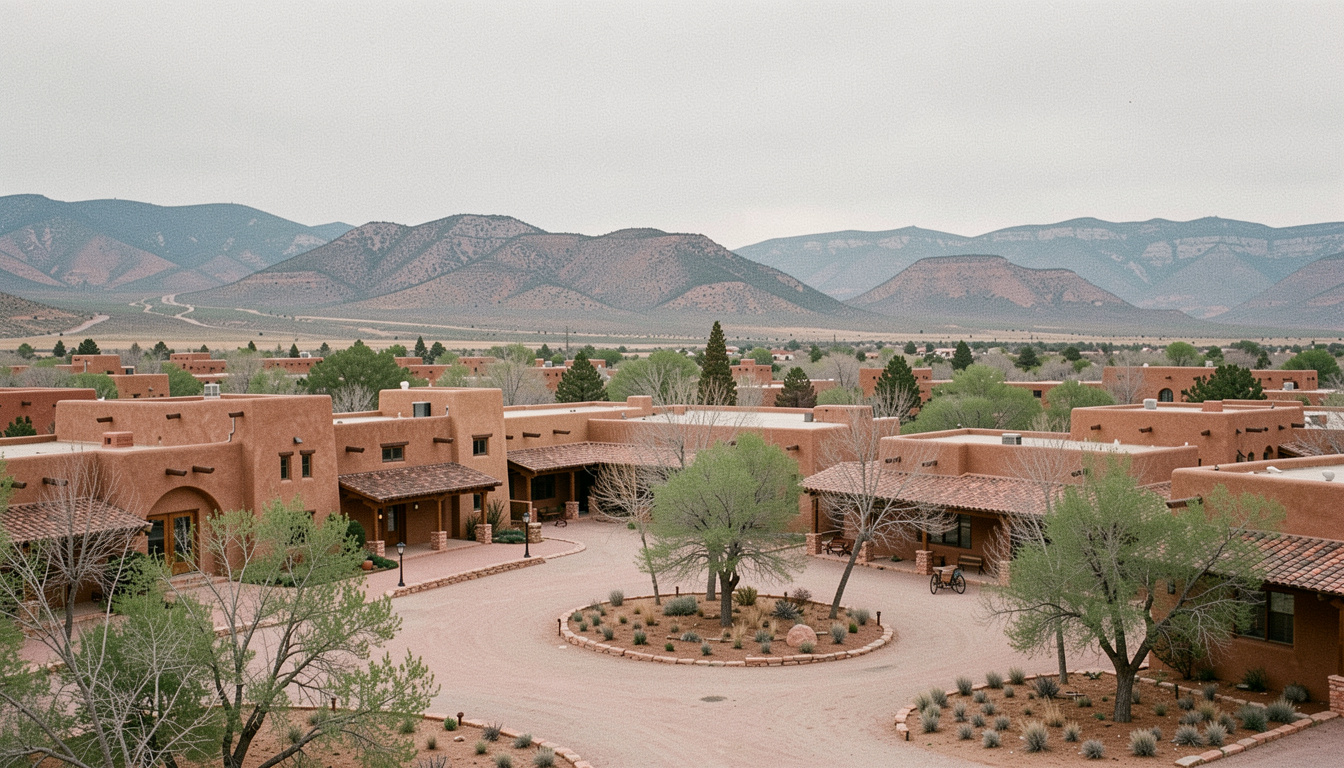
The Baltic coast runs about 500 kilometers from the German border near Świnoujście to the eastern edge near Krynica Morska. The main family destinations are Świnoujście, Kołobrzeg, Łeba, Władysławowo, and the Hel Peninsula. The season is short: late June through August, with the warmest water in the second half of July and the first half of August, when the Baltic can reach 20 to 22 degrees Celsius in shallow bays.
Prices track the German school holidays. A self-catering apartment for four in Kołobrzeg in the first week of August can run 400 to 700 zloty per night within 500 meters of the beach, and roughly half that in the last week of June or the first week of September. Camping and guesthouse stays are cheaper, often 150 to 300 zloty per night for a family. Food is the bigger variable: a midday meal in a seaside restaurant for four people lands between 150 and 250 zloty, while a self-catered shop at a local market or a Biedronka or Lidl cuts that by half or more.
Travelers arriving by car should note that paid parking near the main promenades in Kołobrzeg and Władysławowo costs 5 to 8 zloty per hour in high season, and spaces fill before 10 a.m. Train connections from Berlin to Świnoujście take about three hours with a change, and from Berlin to Kołobrzeg roughly four to five hours. The Polish railway operator PKP Intercity publishes schedules and prices directly.
02 Buying a house or land: what changes for foreign buyers?
Since Poland joined the European Union in 2004, citizens of EU and EEA countries can buy apartments and houses without a special permit. The exception is agricultural land and forest land over 0.3 hectares, which still requires permission from the Ministry of Internal Affairs and Administration, and in practice a Polish notary will flag this before any contract is signed. Buyers from outside the EEA face a permit process for any property, handled through the same ministry.
The transaction itself follows a fixed sequence. A buyer signs a preliminary contract (umowa przedwstępna), usually with a deposit of 10 percent, then the notary drafts the final deed (akt notarialny), and the ownership transfer is registered in the land register (księga wieczysta). The notary fee is capped by law and scales with the property value; for a 500,000 zloty apartment it typically falls between 3,000 and 5,000 zloty including tax. A real estate agent's commission is usually 2 to 3 percent plus VAT, paid by the buyer, the seller, or split, depending on the agreement.
Additional costs include the 2 percent tax on civil law transactions (PCC) for resale properties, and the 19 percent tax on rental income if the buyer plans to let the property. Property tax to the municipality is low, often a few hundred zloty per year for an apartment. Foreign buyers should budget for a sworn translator if they do not read Polish, since the notarial deed is in Polish and a certified translation is standard practice.
03 How do you avoid property scams?
The most common problems reported by foreign buyers are not exotic. They are: a seller who is not the registered owner, a building with an unresolved mortgage, a developer who collects deposits before the land is zoned for residential use, and a rental agent who takes a fee for a property that does not exist.
The defense is procedural. Always check the land register number (numer księgi wieczystej) at the official online portal of the Ministry of Justice before signing anything. The register lists the owner, the mortgage, and any easements. Pay the deposit by bank transfer to the account listed in the register, never in cash. Use a Polish notary chosen by you, not by the seller. For new builds, ask for the building permit (pozwolenie na budowę) and the developer's completion guarantee. If the price is far below the local average, treat that as a question, not an opportunity.
04 Is Polish hard to learn for German speakers?
Polish is a West Slavic language with seven cases, two numbers, and a verb aspect system that German does not have. For a German speaker, the grammar is the hard part, and the vocabulary is often surprisingly familiar: dach, kuchnia, szkoła, and hundreds of other words have Germanic or Latin roots that overlap with German or English.
The realistic timeline for a German speaker studying an hour a day is: three to six months to handle shops, restaurants, and simple directions; one to two years to hold a routine conversation; three to five years to read a newspaper comfortably. Pronunciation is regular once the digraphs are learned, and Polish stress falls predictably on the second-to-last syllable. The most useful early investment is a tutor for the first twenty hours, because the case system is much easier to absorb with correction than from a book.
05 What does the zloty mean for a German visitor's budget?
The Polish zloty (PLN) has traded in a broad range against the euro for years, roughly 4.2 to 4.7 zloty per euro in recent periods. That matters for anyone comparing prices: a 500 zloty dinner is about 110 euros, and a 400,000 zloty apartment is about 88,000 euros at 4.5. Exchange rates move, so a buyer should check the rate on the day of transfer and consider a currency broker rather than a bank counter, where spreads are wider.
Card payments are accepted almost everywhere in cities, but smaller guesthouses, rural markets, and some taxis still prefer cash. ATMs are common, and withdrawals in zloty from a German bank card usually carry a small fixed fee plus a percentage. Sending parcels and money between Poland and Germany is routine; Polish Post (Poczta Polska) and private couriers both operate on the main routes, with delivery times of two to four days for standard parcels.
06 What should a first-time visitor plan for?
A first trip works best with two bases: one coastal, one urban. From a Baltic base, a family can reach the Słowiński National Park and its moving dunes in under two hours, and the medieval port of Gdańsk in about an hour and a half. From Kraków, the Wieliczka salt mine and the Auschwitz-Birkenau Memorial are both day trips, and the Tatra mountains are two hours south.
Book coastal accommodation by March for a July or August stay, and expect the first two weeks of August to be the most expensive and the most crowded. Carry a small amount of cash, learn a dozen Polish phrases, and keep the land register portal bookmarked if property is on your mind. The country rewards preparation more than improvisation, and the practical details above are the ones that come up again and again.