01 Three markets, not one
They fall within about five weeks of each other, they all involve juried artists selling work they made themselves, and beyond that they have almost nothing in common.
| Market | When | Where | Who shows | Roughly |
|---|---|---|---|---|
| Santa Fe Indian Market | Weekend of the third Saturday in August | The Plaza and surrounding streets | Native artists from tribes and nations across the United States and Canada | About 1,000 artists |
| Traditional Spanish Market | Last full weekend of July | The Plaza | Artists working in the traditional forms of Hispano New Mexico and southern Colorado | Around 200 artists |
| International Folk Art Market | July | Museum Hill, with some editions staged in the Railyard | Folk artists from around the world, many representing cooperatives | Artists from 50+ countries |
All three are juried, which is the crucial word. An artist does not simply rent a booth: they apply, their work is assessed against published standards by a panel, and they are admitted or they are not. That is the whole basis of the markets' authority, and it is why prices at them are not comparable to prices in a gift shop.
02 Indian Market
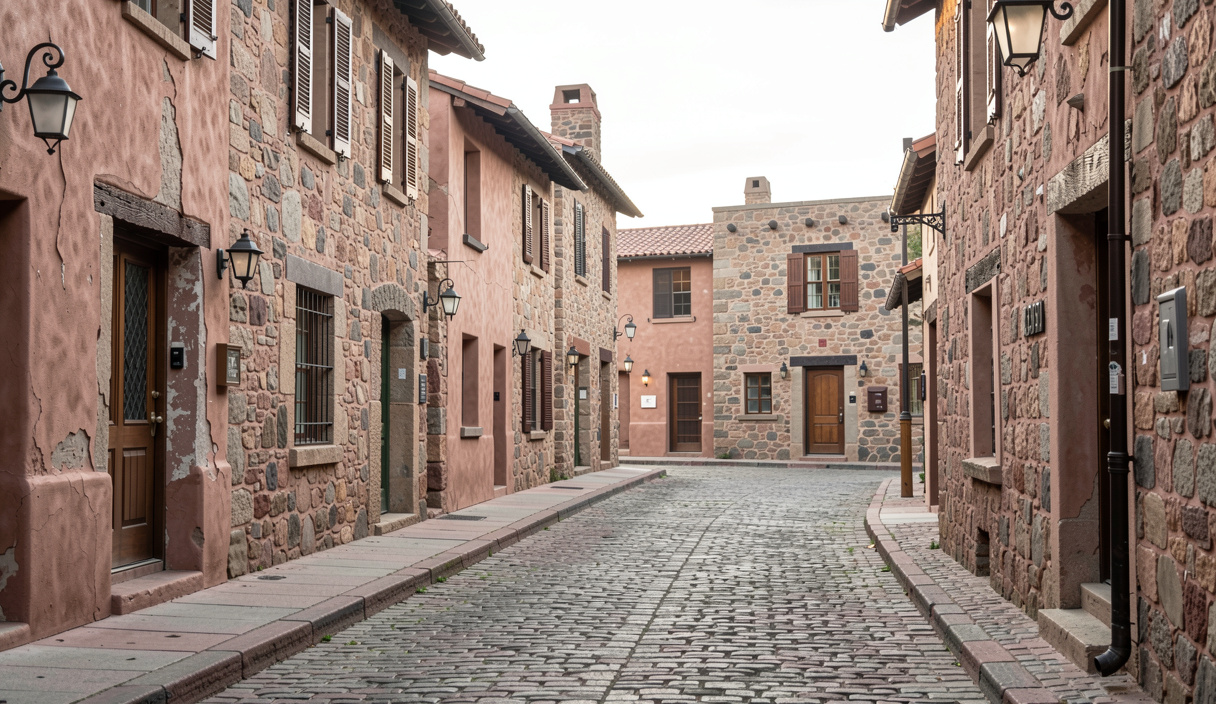
Santa Fe Indian Market is the largest juried Native arts market in the world and the busiest weekend of the Santa Fe year by a wide margin. Roughly a thousand artists, drawn from a couple of hundred tribes and nations, set out under white canopies on and around the Plaza, and something on the order of a hundred thousand people come through over two days.
It began in 1922, when the Museum of New Mexico and the School of American Research staged the first Southwest Indian Fair, at a moment when the market for Native work was being flooded with imitations. The organization that runs it today, the Southwestern Association for Indian Arts, grew out of that period and took its present form later. The founding purpose has not changed: a place where a buyer can be certain what they are buying and from whom.
Working out the dates
Indian Market is anchored to the weekend of the third Saturday in August, with a week of associated events, previews and fashion shows running up to it. Because the anchor is a weekend rather than a fixed number, the dates move by up to a week from year to year, which is why you should never trust a date copied from an old page.
| Year | Third Saturday in August | Weekend |
|---|---|---|
| 2026 | 15 August | 15 and 16 August 2026 |
| 2027 | 21 August | 21 and 22 August 2027 |
| 2028 | 19 August | 19 and 20 August 2028 |
| 2029 | 18 August | 18 and 19 August 2029 |
That table is arithmetic, not an announcement. Treat it as the window to hold in your calendar, then confirm the published dates with SWAIA before you buy a ticket or a room. Rooms for that weekend go six to twelve months out: see the lead-time table.
Buying well
Judging happens before the market opens, and ribboned work is often spoken for by the time the public arrives on Saturday morning. Serious buyers queue in the dark. If you are not chasing ribbons, Sunday is calmer, the artists have more time to talk, and the work is the same.
Two legal points are worth carrying. The federal Indian Arts and Crafts Act of 1990 makes it unlawful to sell goods in a way that falsely suggests they were made by a Native artist. And SWAIA's own standards require that work be handmade by the artist, with materials and processes disclosed. Between the two, a piece bought at Indian Market or under the Palace portal comes with an unusually clear chain of accountability. A piece bought from a roadside stall does not.
03 Spanish Market and its history
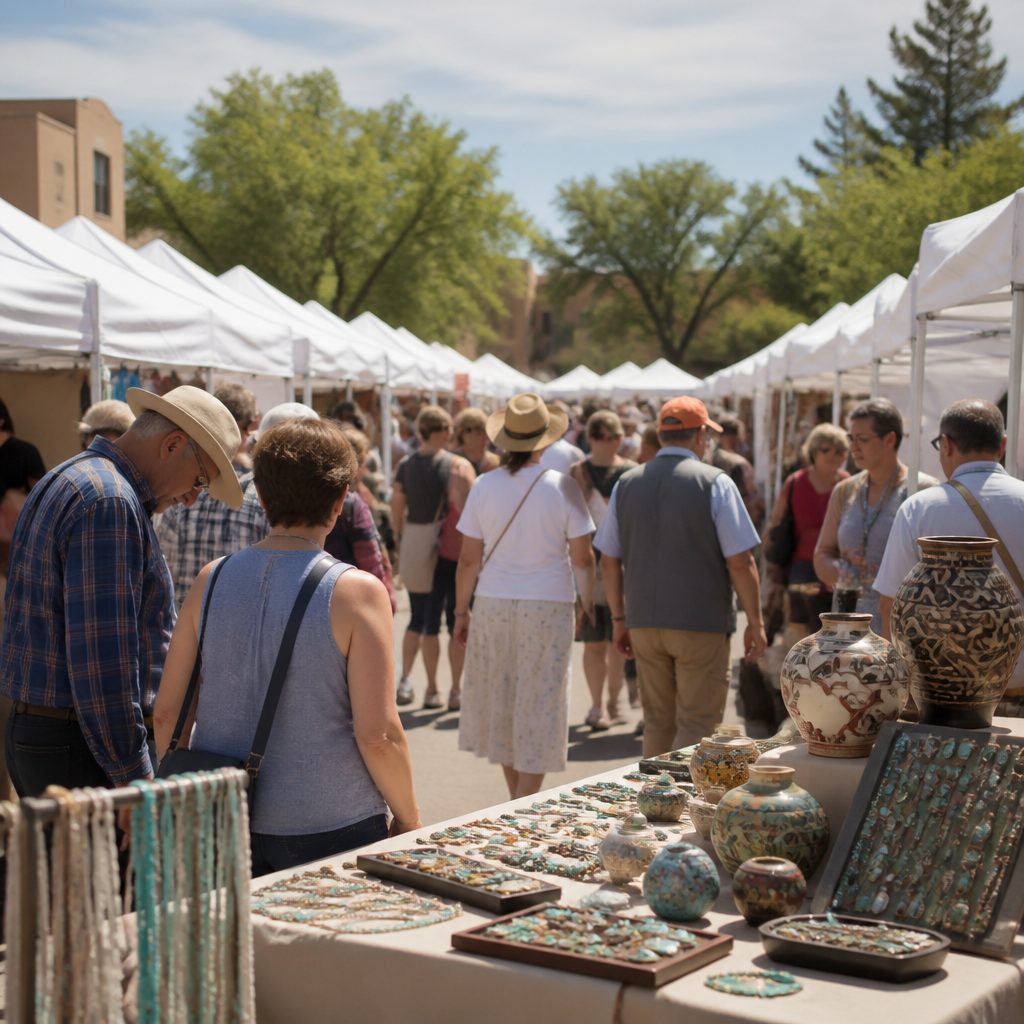
Traditional Spanish Market fills the Plaza on the last full weekend of July and is the oldest and largest juried exhibition of traditional Hispanic art in the United States. Its history is a good deal more interesting than its size.
The Spanish Colonial Arts Society was founded in 1925 by the writer Mary Austin and the artist Frank Applegate, who had noticed that the santero tradition of New Mexico, the carving and painting of saints for village churches and home altars, was collapsing. The first market followed in 1926 on the Plaza. It faltered through the Depression and the war years and was revived in 1965, and it has run since.
What is sold is defined by tradition rather than by taste. The categories are the ones the Society recognizes as continuous New Mexican forms: retablos (saints painted on flat panels), bultos (saints carved in the round), straw appliqué, tinwork, colcha embroidery, hide painting, furniture, ironwork, precious metals, weaving and ramilletes. Materials are constrained too, in some categories down to the pigments: several artists still grind their own from local earth and plants.
Running alongside on Lincoln Avenue, the Contemporary Hispanic Market exists precisely because the traditional market's rules are strict: it shows Hispano artists working outside those forms. There is also a smaller winter market indoors in December, and a youth market where the transmission of these trades is on public display.
Where to see the same work with its history attached
The Museum of Spanish Colonial Art on Museum Hill holds the Society's collection and is the best possible hour of preparation before the market. It is covered in the Museum Hill section.
The century between the first market and this one explains most of what looks arbitrary about the rules, and every category the jury recognises is set out one by one in the dedicated chapter on the history of Spanish Market: what the santero trade was, what the railroad did to it in 1880, and what the Society decided in 1965 to bring back.
04 The International Folk Art Market
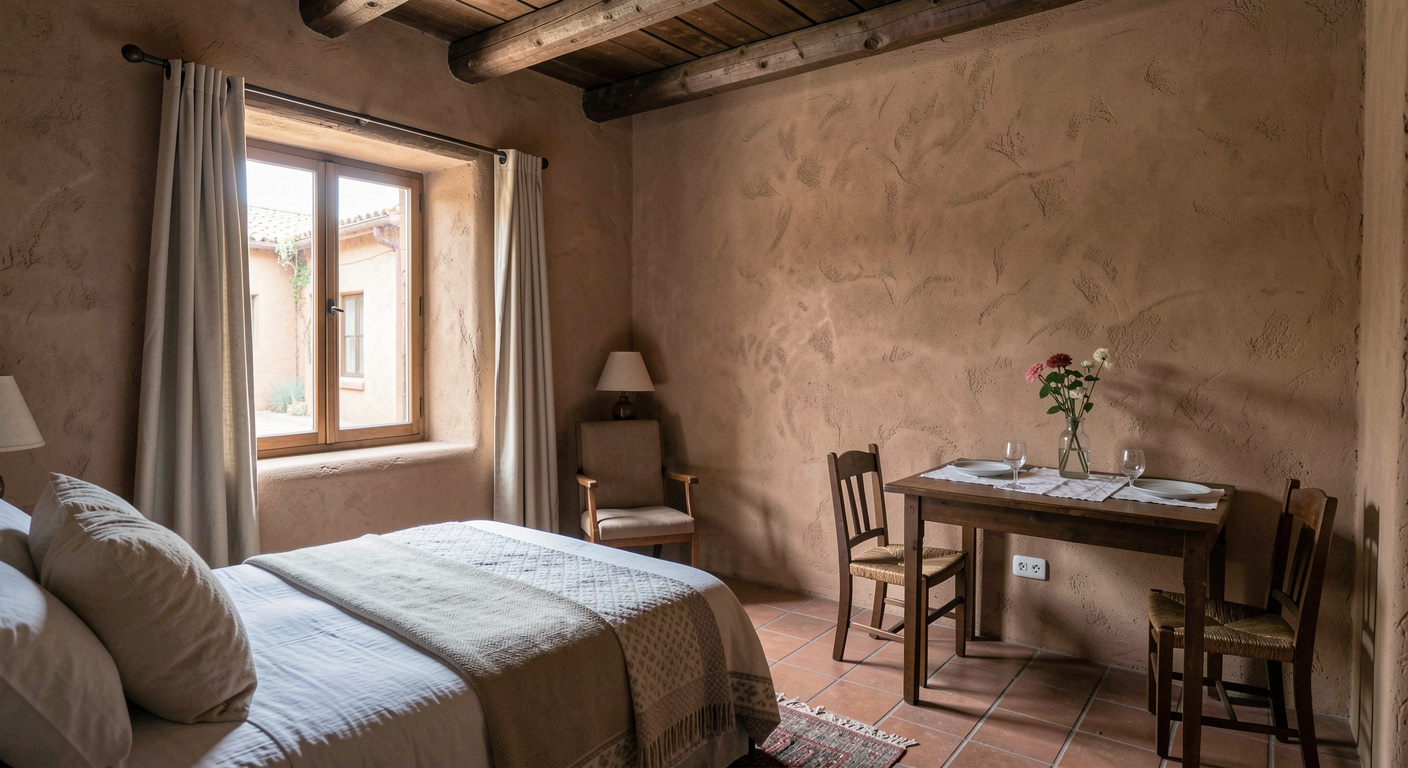
The youngest of the three, founded in 2004, and the most unusual in structure. It brings folk artists from more than fifty countries to Santa Fe for a July weekend, many of them representing cooperatives rather than themselves, and its founding proposition is economic: the market's model sends about ninety percent of sales revenue back to the artists and their communities.
It has been held on Museum Hill for most of its life, with recent editions staged in the Railyard, so check the venue for the year you are going. Tickets are timed, the opening session on the first morning costs more and is the least crowded, and the site is compact enough that two hours is enough if you are not buying seriously.
The practical difference from the other two markets: at Indian Market and Spanish Market you are buying from a tradition you can go and look at in a museum two miles away. At the Folk Art Market you are buying from fifty traditions at once, most of which you will know nothing about. The artists are there to explain, most of them through interpreters, and taking twenty minutes over one purchase is a far better use of the day than circling the whole field twice.
Because the venue, the ticketing and the checkout all work differently from the Plaza markets, this one has a chapter of its own: the practical guide to the Folk Art Market covers Museum Hill logistics, which session to buy, and how a purchase is actually paid for and shipped.
05 How to buy without regret
The markets are the one context in which Santa Fe's prices are straightforwardly defensible, and also the context in which people most often buy badly, because a crowd is a bad place to think.
- Walk the whole field once without buying. An hour of looking changes what you think good work is, and the piece you would have bought in the first ten minutes is rarely the piece you buy at the end.
- Ask the artist how it was made. Every juried artist here can answer that question in detail and most want to. The answer tells you more about value than the price card does.
- Get the paperwork. Name, tribe or nation or village, materials, date. Reputable artists provide it as a matter of course.
- Do not haggle at a juried market. These are not bazaar prices; they are prices set against a jury standard and a very short selling season.
- Think about getting it home before you buy it. Pottery and carved work travel badly. Ask about packing before you commit, not after.
06 Surviving a market weekend
The Plaza markets close streets and the city runs at capacity. The successful version of a market weekend looks like this: sleep within walking distance or park once, well out, and walk in; start early, because the light is better and the crowd is thinner before ten; carry water and a hat, because you are standing still at 7,199 feet in August sun; and clear the afternoon, because the monsoon build-up is real and a canopy is not shelter.
If you are driving in, read the parking section first. If you have not booked a bed yet and the market is this year rather than next, look at the neighborhoods chapter and be willing to stay further out.
07 Words used at the markets
- Juried
- Admitted by a panel that assesses the work against published standards. It is the difference between a market and a fair.
- Retablo
- A holy image painted on a flat panel, traditionally on a gesso ground over pine. A category at Spanish Market.
- Bulto
- A saint carved in the round, often in cottonwood root, then gessoed and painted. Also a Spanish Market category.
- Santero, santera
- The maker of retablos and bultos. Historically a village trade, often hereditary, and still frequently taught within families.
- Colcha
- A New Mexican embroidery stitch, and by extension the embroidered textiles made with it.
- Straw appliqué
- Designs built from split, flattened wheat straw glued onto a dark ground, so that the straw reads as gold. A distinctive New Mexican form.
- Heishi
- Small hand-rolled disc beads, strung; a Pueblo jewellery tradition strongly associated with Kewa.
- Best of Show
- The top award at Indian Market, announced before the market opens to the public. Ribboned work moves fast.